
kilimanjaro success tips local guides
Climbing Mount Kilimanjaro is a dream for many travelers, but reaching the summit successfully requires more than motivation — it requires preparation, smart pacing, and guidance from experienced local experts.
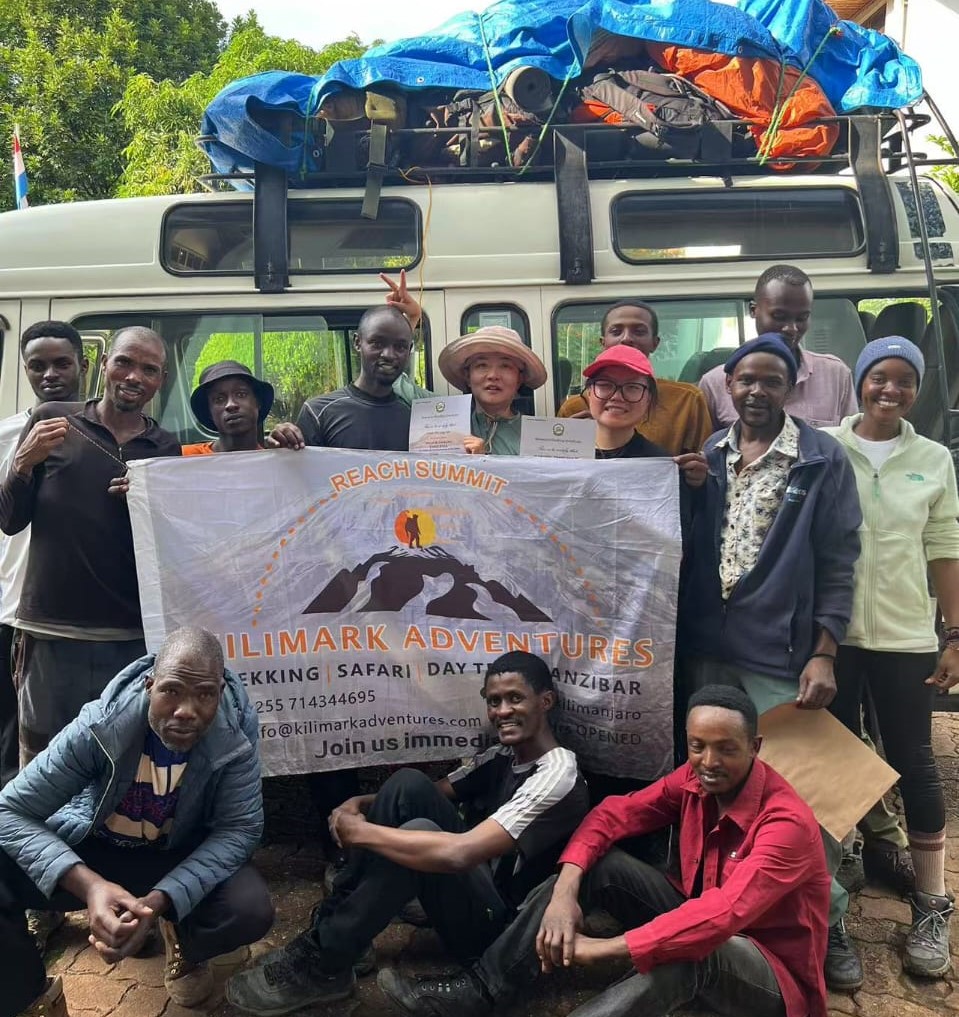
At Kilimark Adventures, our guides have led hundreds of climbers to the summit of Mount Kilimanjaro. Based on real mountain experience, here are the most important success tips that can make the difference between turning back and standing at Uhuru Peak.
1. Choose the Right Route (Most Important Decision)
Your route determines your success rate more than anything else.
Local guides strongly recommend:
- Lemosho Route – best acclimatization and high success rate
- Machame Route – popular and challenging but effective
- Northern Circuit – highest success rate (longest route)
👉 Avoid rushing routes like Marangu (5 days) if your goal is summit success.
2. Go Slowly — “Pole Pole” is the Secret
In Swahili, guides always say “Pole Pole” (slowly, slowly).
Why it matters:
- Prevents altitude sickness
- Helps your body adapt to low oxygen
- Increases summit success chances
Most climbers fail not because of fitness — but because they walk too fast.
3. Acclimatization Is Everything
Your body needs time to adjust to altitude.
Best practices:
- Choose longer itineraries (7–9 days)
- “Climb high, sleep low” when possible
- Take acclimatization hikes during the climb
Good acclimatization = higher summit success.
4. Train Before You Arrive
You don’t need to be an athlete, but you should prepare your body.
Local guide recommendation:
- Hiking with a backpack (most important)
- Stair climbing or uphill walking
- Cardio training (2–3 times per week)
- Practice long walking days
5. Drink More Water Than You Think
Hydration is critical at high altitude.
Guides recommend:
- 3–5 liters of water per day
- Small frequent sips
- Avoid dehydration at all costs
Dehydration increases altitude sickness risk.
6. Listen to Your Guide — Always
Our guides are trained to detect altitude sickness early.
If a guide says:
- Slow down
- Rest
- Descend
👉 It is for your safety and summit success.
Trusting your guide improves your chances significantly.
7. Eat Well Even When You Don’t Feel Hungry
At high altitude, appetite decreases — but energy is needed.
Tips:
- Eat small portions frequently
- Focus on carbohydrates
- Drink warm soups and tea
Energy = strength for summit night.
8. Mental Strength is as Important as Physical Strength
Summiting Kilimanjaro is a mental challenge.
You will feel:
- Cold temperatures
- Fatigue
- Long walking hours
But success comes from:
- Patience
- Determination
- Positive mindset
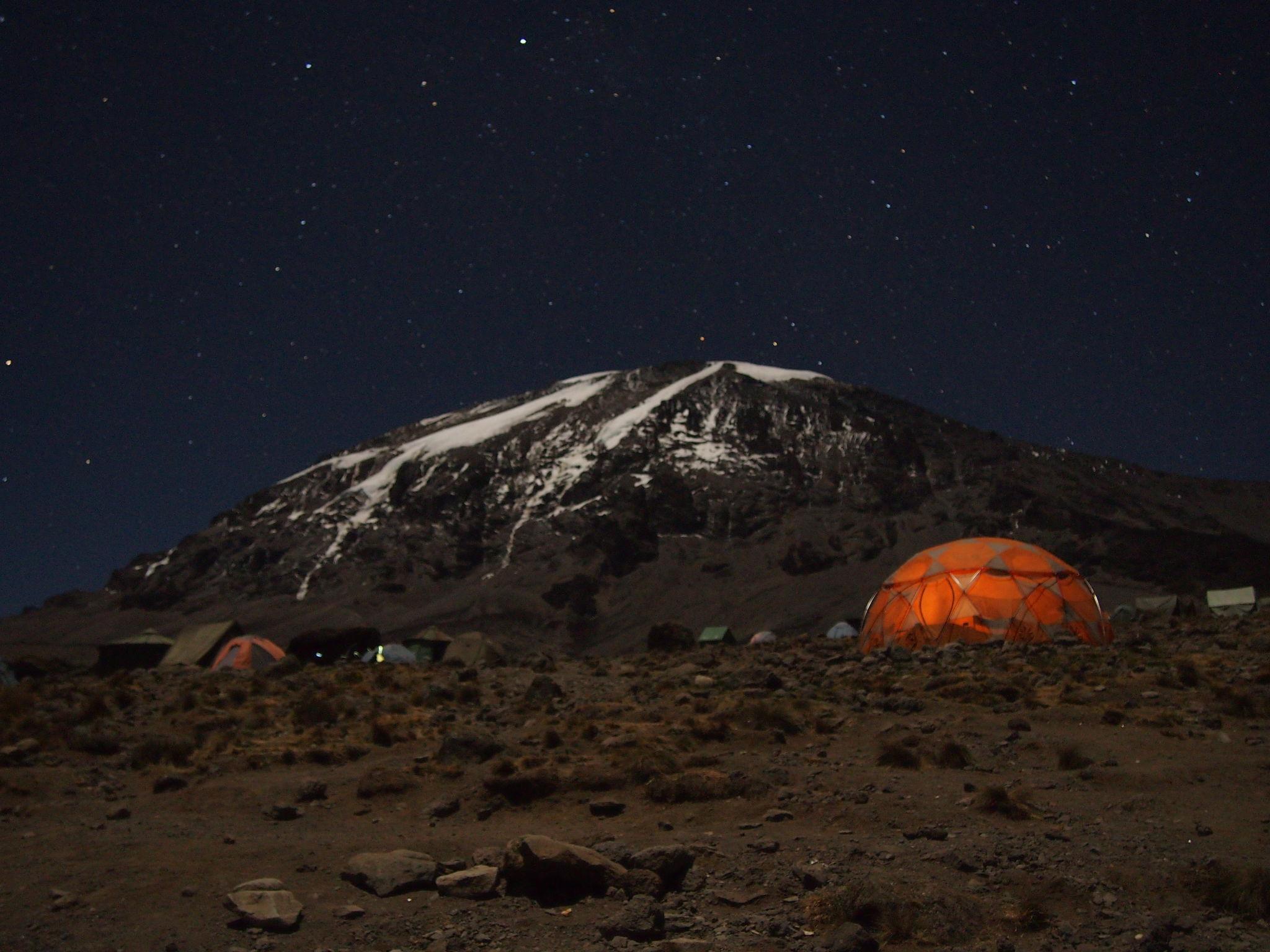
9. Prepare for Summit Night
Summit night is the hardest part of the climb.
What helps:
- Layered warm clothing
- Headlamp with extra batteries
- Slow steady pace
- Mental focus on “one step at a time”
Most climbers succeed by simply not stopping.
10. Choose a Trusted Local Operator
Your success heavily depends on your tour operator.
A good operator provides:
- Experienced local guides
- Proper acclimatization plans
- Quality food and equipment
- Safety-first approach
- Ethical porter treatment
At Kilimark Adventures, we design every climb to maximize safety and summit success.
Final Advice from Local Guides
Climbing Kilimanjaro is not about speed or strength — it is about preparation, patience, and trusting the mountain process.
Follow your guide, walk slowly, stay hydrated, and respect altitude — and your chances of standing on the roof of Africa become very high.