
Best Time to Climb Mount Kilimanjaro in 2026
Planning a Kilimanjaro climb in 2026? Discover the best time to climb Mount Kilimanjaro, including weather conditions, climbing seasons, and expert advice from Kilimark Adventures.
Planning a Kilimanjaro climb in 2026? Discover the best time to climb Mount Kilimanjaro, including weather conditions, climbing seasons, and expert advice from Kilimark Adventures.
Best Time to Climb Mount Kilimanjaro in 2026
Mount Kilimanjaro is Africa’s highest mountain and one of the world's most popular trekking destinations. Every year, thousands of climbers travel to Tanzania to reach the summit of Uhuru Peak at 5,895 meters (19,341 feet). While Kilimanjaro can be climbed year-round, choosing the right time significantly improves your chances of enjoying good weather, clear views, and a successful summit.
In this guide, Kilimark Adventures explains the best months to climb Kilimanjaro in 2026 and what you can expect during each season.
Understanding Kilimanjaro's Climbing Seasons
Mount Kilimanjaro experiences two main dry seasons and two rainy seasons.
Dry Seasons
- January to Mid-March
- June to October
These are generally considered the best times to climb Mount Kilimanjaro.
Rainy Seasons
- Long Rains: March to May
- Short Rains: November to December
Although climbing is still possible during rainy months, trails can become muddy and visibility may be reduced.
January to March: Excellent Weather and Fewer Crowds
January, February, and early March are among the best months to climb Kilimanjaro.
Advantages
- Warm daytime temperatures
- Clear skies and excellent visibility
- Fewer climbers compared to peak season
- Beautiful scenery with occasional snow at the summit
Best For
- First-time climbers
- Photographers
- Travelers seeking quieter trails
February is often considered one of the best months overall because it combines stable weather with moderate trail traffic.
June to October: Peak Climbing Season
The period from June through October is the most popular time to climb Mount Kilimanjaro.
Advantages
- Dry weather
- Clear summit views
- Excellent trail conditions
- High summit success rates
Things to Consider
- More climbers on the mountain
- Popular routes can become busy
- Advance booking is recommended
July, August, and September are especially popular among international travelers.
March to May: The Long Rainy Season
March through May brings the heaviest rainfall to the Kilimanjaro region.
Conditions During This Period
- Wet and muddy trails
- Increased cloud cover
- Reduced visibility
- Fewer climbers on the mountain
Benefits
- Less crowded routes
- Lower demand for accommodations
- Lush green landscapes
Experienced trekkers who do not mind rain may still enjoy climbing during this season.
November and December: Short Rain Season
November and early December experience lighter rainfall compared to the long rainy season.
What to Expect
- Intermittent rain showers
- Fewer crowds
- Green and beautiful scenery
- Variable weather conditions
Late December becomes increasingly popular due to Christmas and New Year holiday climbs.
Best Months for Summit Success
If your primary goal is reaching Uhuru Peak successfully, Kilimark Adventures recommends the following months:
Top Months
- February
- July
- August
- September
- Early October
These months generally offer:
- Stable weather
- Dry trails
- Better visibility
- Comfortable trekking conditions
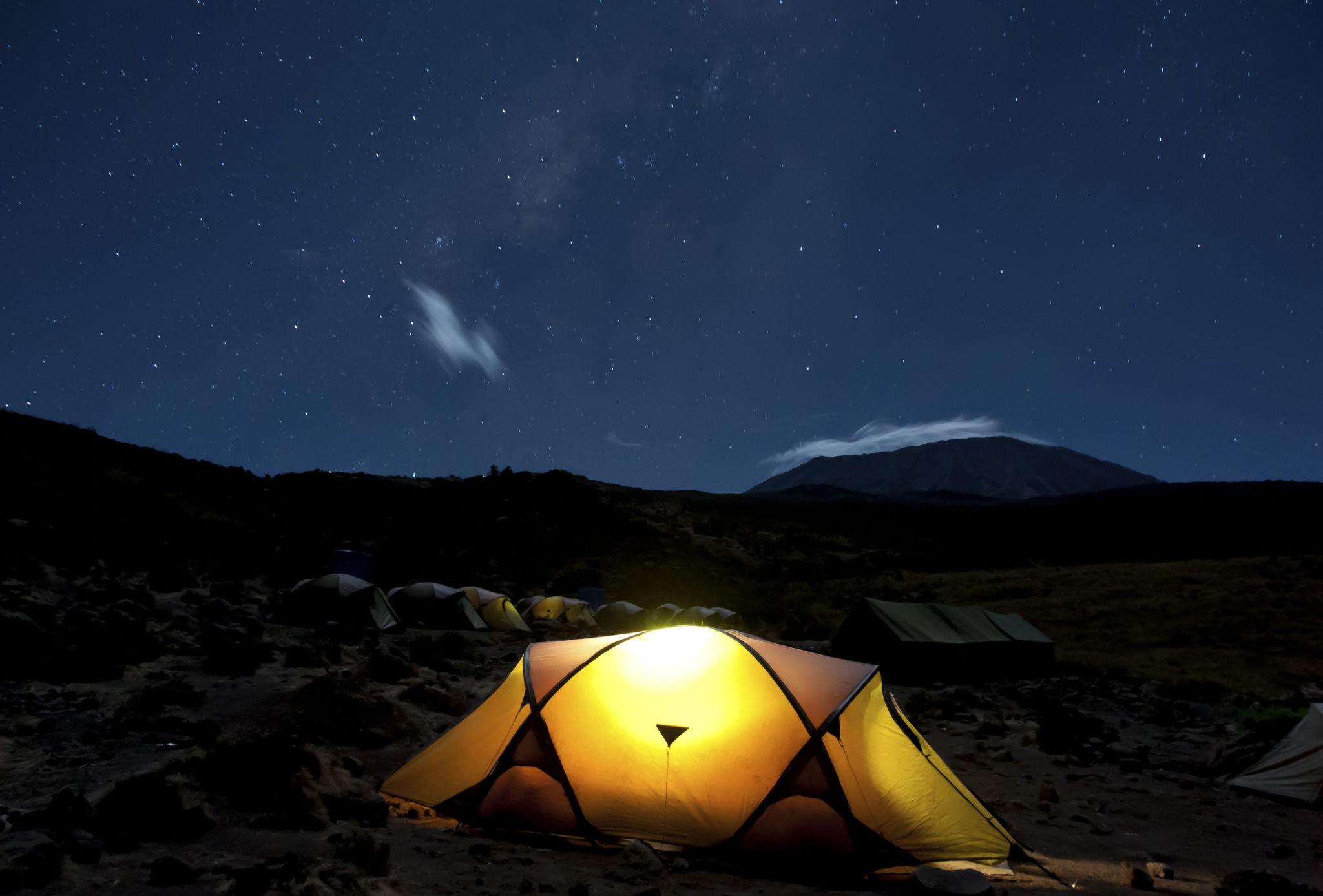
Best Time for Photography
Photographers often prefer:
January to March
During this period, climbers can enjoy:
- Clear skies
- Dramatic mountain landscapes
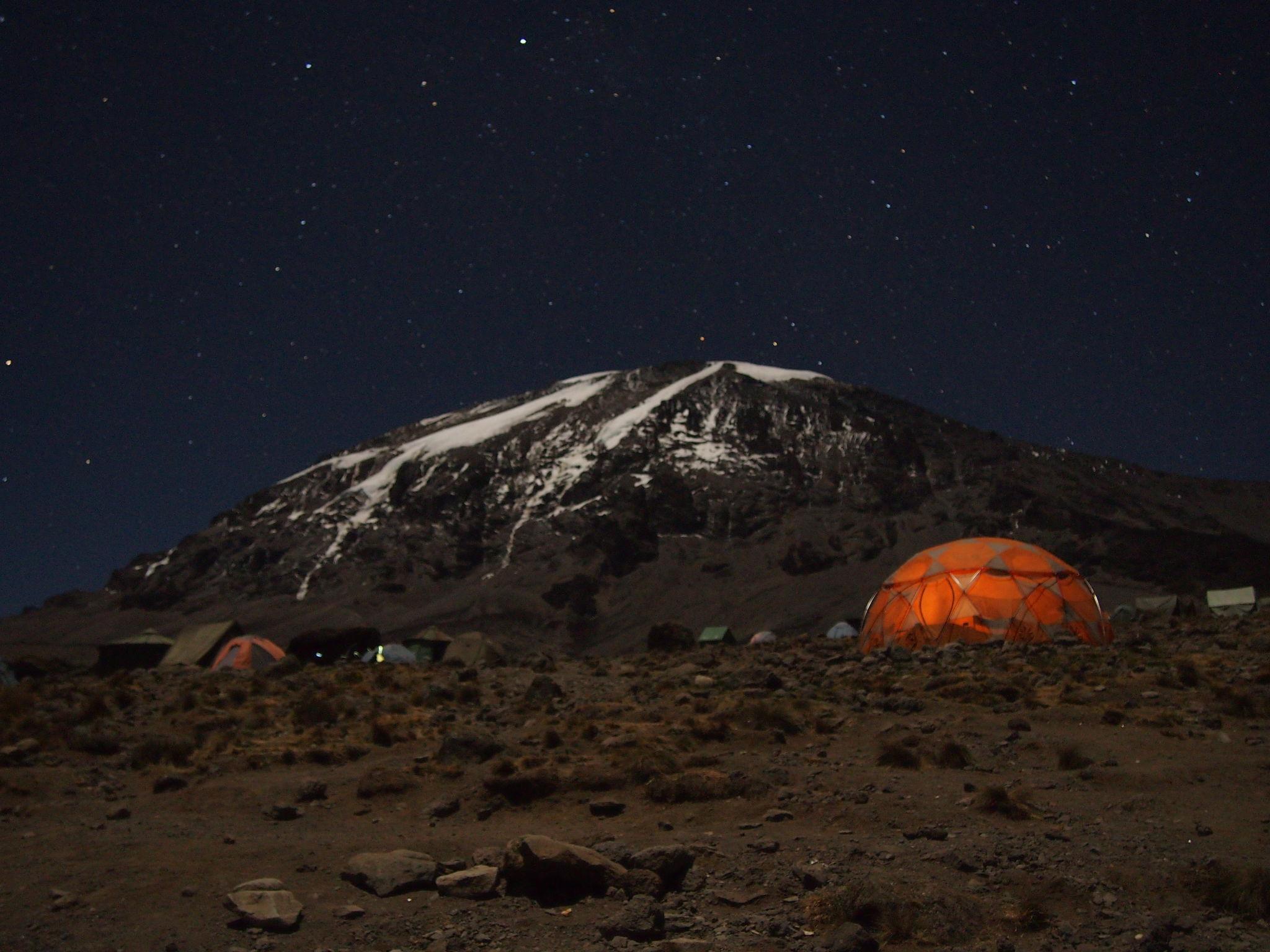
- Snow-covered summit views
- Beautiful sunrise and sunset opportunities
The visibility is often exceptional, making it easier to capture stunning images of Kilimanjaro and the surrounding plains.
Best Time to Avoid Crowds
If you prefer a quieter climbing experience, consider:
Recommended Months
- January
- Early March
- Early June
- November
These periods typically see fewer climbers while still offering reasonable weather conditions.
Kilimanjaro Weather by Altitude
One important thing to remember is that Kilimanjaro creates its own weather patterns. Climbers pass through five distinct climate zones:
Cultivation Zone
Warm and humid.
Rainforest Zone
Frequent rain and dense vegetation.
Heather and Moorland Zone
Cool temperatures and open landscapes.
Alpine Desert Zone
Dry air and dramatic temperature changes.
Arctic Summit Zone
Very cold conditions with possible snow and ice.
No matter when you climb, you should prepare for a wide range of temperatures.
Why Choose Kilimark Adventures?
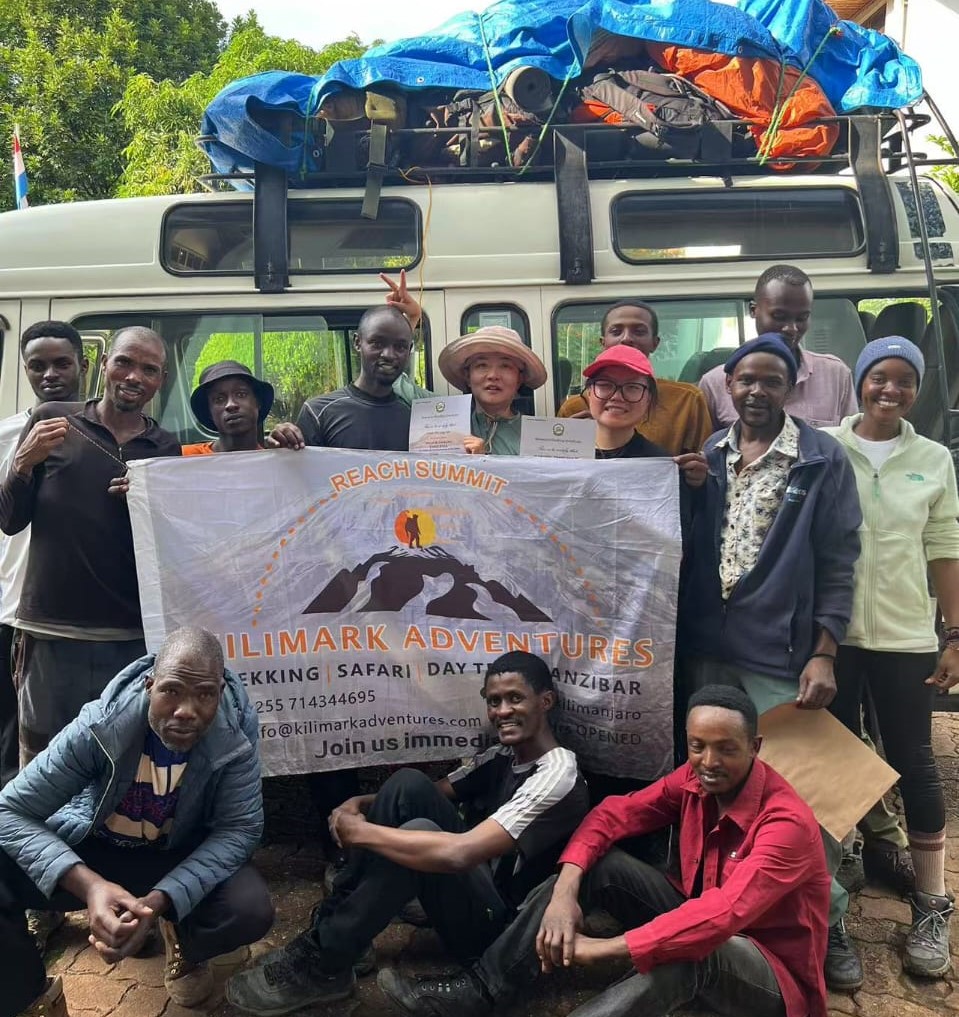
At Kilimark Adventures, we help climbers select the best route and season based on their goals, experience level, and travel schedule.
Our Kilimanjaro climbs include:
- Professional mountain guides
- High-quality camping equipment
- Daily health monitoring
- Nutritious mountain meals
- Ethical treatment of mountain crews
- Excellent summit success rates
Whether you plan to climb during the dry season or prefer a quieter adventure during the shoulder months, our experienced team will help make your Kilimanjaro dream a reality.
Final Thoughts
The best time to climb Mount Kilimanjaro in 2026 depends on your priorities. For the best weather and highest summit success rates, February and the period from July to October are excellent choices. If you prefer fewer crowds, January, early March, and November can provide a more peaceful trekking experience.
No matter when you choose to climb, proper preparation and an experienced local operator are key to a safe and successful summit.
Ready to climb Africa's highest mountain? Contact Kilimark Adventures today and start planning your Kilimanjaro adventure for 2026.