How Difficult Is Mount Kilimanjaro? Terrain, Altitude and Summit Night
The main challenge of Kilimanjaro is not technical rock climbing. It is several days of hiking as the air becomes thinner, followed by a very demanding summit night.
What makes the summit day demanding
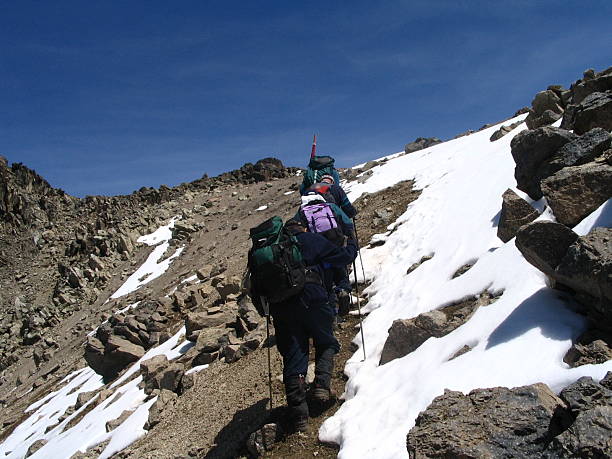
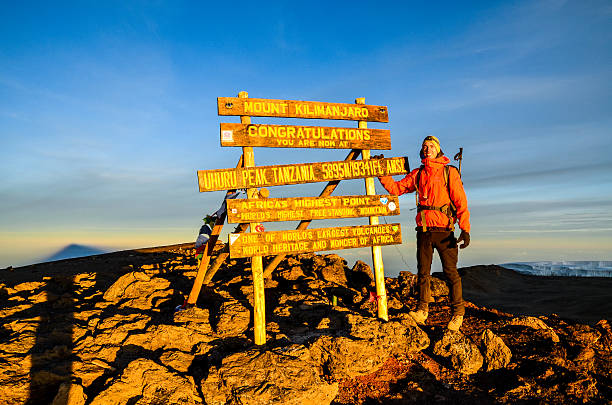
Most standard Kilimanjaro routes involve trekking rather than technical climbing, yet the final ascent can require many hours on loose or frozen ground in the dark. Cold temperatures and the reduced oxygen available at altitude change what feels comfortable. Guides usually encourage an even, unhurried walking pace; an itinerary that builds in extra altitude-adjustment time before summit day is worth considering, particularly for first-time high-altitude trekkers.
Explore the important differences
Altitude changes how walking feels
A pace that feels easy near Moshi may feel surprisingly slow above 4,000 metres. Good operators encourage gradual movement, daily check-ins and conservative decisions when someone is not acclimatising well.
Summit night is long and cold
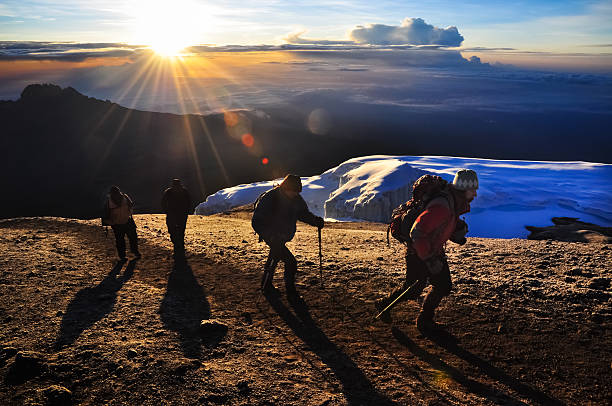
Most routes set out before dawn for a high-elevation ascent on volcanic scree or mixed conditions. The goal is to move carefully and follow the guide’s judgement rather than to beat a time target.
Trail difficulty varies by route
Machame includes steeper sections such as the Barranco Wall; Marangu uses established paths and huts; Northern Circuit requires more days. None should be described as guaranteed easy.
Safety decisions matter more than summiting
A well-run climb has a plan for symptoms, descent, communication and emergencies. Reaching the summit is rewarding, but a responsible guide may recommend turning around.
Questions about altitude monitoring
When reviewing an itinerary, look for an experienced mountain team willing to explain daily health checks and an emergency descent plan. It is not useful to promise a fixed success percentage for an individual climber; people respond differently to altitude, and weather can change the schedule. Summit photographs are one possible outcome of a trek, not a contractual obligation. Understanding this in advance makes expectations more realistic and decisions on the mountain safer.
A practical example for travelers
Some guests confuse a non-technical trekking route with an easy walk. Standard Kilimanjaro paths generally do not require specialist rock-climbing techniques, but steep ground, altitude and mountain weather still demand respect. The group may move slower than expected, especially above the tree line. A professional guide should explain what can reasonably change on the day, including the possibility that a summit attempt is not appropriate. The travel experience should be described in ways that reward the forest, moorland and views rather than framing the entire holiday as a single all-or-nothing event.
A useful question for your travel planner
Compare the physical demands of the specific day-by-day program, including the descent following summit day.
A frequently asked question
Do I need mountaineering ropes to climb Kilimanjaro?
The usual trekking routes do not require technical rock-climbing skills, but they do require careful preparation and licensed guiding.