How to Train for Kilimanjaro: Eight-Week Walking Preparation
Kilimanjaro preparation is about comfortable repeated walking and recovering well enough to do it again, rather than a single extreme fitness session.
Before choosing a plan
A realistic preparation schedule includes several weeks of frequent walks rather than one dramatic endurance challenge. Start with terrain you can manage comfortably, then gradually include hills, steps and uneven ground so that feet, legs and joints become used to descents as well as climbs. Walking on consecutive days is a useful way to learn how your body recovers. There is no need to copy another person's mileage; health, time available and previous experience differ.
Build regular walking volume
Begin with the walking you can handle consistently. Gradually add hill walks and longer outings. An eight-week outline is a planning example, not a promise that everyone becomes ready within eight weeks.
Practice uphill and downhill movement
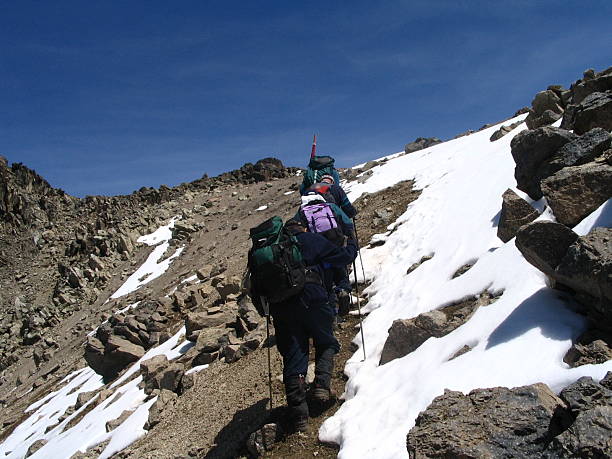
Downhill walking can be surprisingly demanding on legs after summit day. Train on varied terrain with stable footwear and trekking poles when useful, rather than relying only on flat treadmill sessions.
Carry a realistic daypack
Practice with water, snacks and a light weather layer. There is no benefit to training with unusually heavy loads: your aim is comfortable movement and safe technique over repeated hours.
Recovery and altitude limitations
Fitness helps the experience but cannot guarantee acclimatisation. Sleep well, allow rest days and discuss medical considerations with an appropriately qualified professional before the trip.
Build consistency before intensity
Training improves how manageable the hiking feels, but it does not make altitude risk disappear. Only a suitable ascent schedule, guide monitoring and sound decisions on the mountain can address that issue. In the final week, prioritize rest, familiar shoes and normal routines rather than trying to make up for missed sessions. Guests with underlying medical concerns should seek advice from an appropriate clinician before booking.
What a training walk should reveal
A weekend on uneven paths is a chance to discover practical problems while they are still easy to solve: boots rubbing at the heel, a backpack pulling on shoulders, or not eating enough during a long day. Try a steady pace and allow rest before repeating the effort on the next day. These observations are more relevant to a multi-day trek than a single gym performance number. Keep the final preparation period consistent and take medical questions to an appropriate professional.
A practical example for travelers
Preparation is not only about walking uphill. Travelers sometimes find that repeated descents are what leave their legs tired, or that poorly fitted footwear creates more difficulty than their overall fitness. Practicing on varied local terrain can reveal those issues well before departure. A good training plan makes room for sleep, recovery and gradual progression. Avoid last-minute competitions to see who can climb the most stairs or walk the greatest distance. If a traveler has health concerns or is considering altitude-related medication, medical advice should come from a qualified professional rather than a tour advertisement.
A useful question for your travel planner
Start with a manageable weekly schedule, then discuss route length and altitude-safety procedures directly with the trekking company.
A frequently asked question
Will gym fitness prevent altitude sickness?
No. A good fitness base helps with walking but does not replace gradual altitude exposure or medical guidance.