Complete Kilimanjaro Packing List: What to Bring and What to Skip
The ultimate packing list for climbing Kilimanjaro. Every item you need (and don't need) for a successful summit.
The ultimate packing list for climbing Kilimanjaro. Every item you need (and don't need) for a successful summit.
Your Ultimate Kilimanjaro Packing List
Packing for Mount Kilimanjaro can be overwhelming. You need enough to stay warm, safe, and comfortable at high altitude, but you don't want to overpack. This comprehensive guide covers everything you need—and what you can skip.
The Kilimanjaro Layering System
Temperature ranges from 25°C (77°F) in rainforest to -20°C (-4°F) at summit. The key is layering:
Base Layer (Against Your Skin)
Purpose: Wicks moisture away from your body
- ✅ 2-3 lightweight thermal tops (merino wool or synthetic)
- ✅ 2-3 lightweight thermal bottoms
- ❌ AVOID: Cotton (stays wet, makes you cold)
Mid Layer (Insulation)
Purpose: Traps warm air, provides insulation
- ✅ Fleece jacket (lightweight + medium weight)
- ✅ Insulated synthetic or down jacket
- ✅ Insulated pants or thick fleece pants
Outer Layer (Weather Protection)
Purpose: Protects from wind, rain, snow
- ✅ Waterproof rain jacket (hardshell)
- ✅ Waterproof rain pants
- ✅ Both should be breathable (Gore-Tex or similar)
Complete Kilimanjaro Packing List
🎒 Backpack & Bags
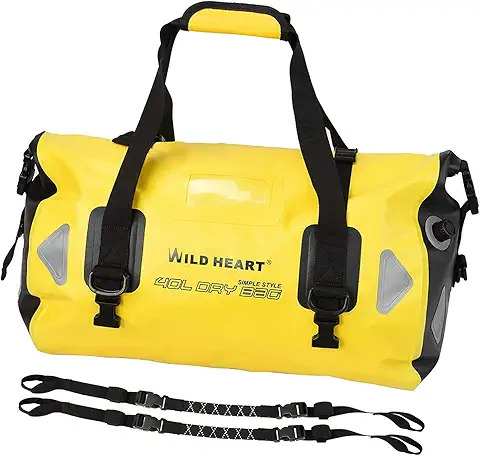
- ✅ Main duffel bag (80-120L) - Porters carry this
- ✅ Daypack (20-35L) - You carry this daily
- ✅ Waterproof liner or dry bags for inside duffel
- ✅ Small daypack rain cover
- ⚠️ Maximum porter weight: 15 kg (33 lbs) excluding sleeping bag and mat
👕 Upper Body Clothing
- ✅ 2-3 moisture-wicking t-shirts
- ✅ 1-2 long-sleeve shirts (sun protection)
- ✅ 2-3 thermal base layer tops
- ✅ 1 light fleece jacket
- ✅ 1 medium/heavy fleece jacket
- ✅ 1 insulated jacket (down or synthetic, -10°C rated)
- ✅ 1 hardshell waterproof jacket
- ✅ 1 softshell jacket (optional but nice)
👖 Lower Body Clothing
- ✅ 2 pairs hiking pants/zip-off pants
- ✅ 2-3 thermal base layer bottoms
- ✅ 1 pair insulated pants (for summit night)
- ✅ 1 pair waterproof rain pants
- ✅ 1 pair shorts (optional, for lower altitudes)
- ✅ 4-6 pairs hiking socks (wool or synthetic blend)
- ✅ 4-5 pairs underwear
🧤 Hands & Head
- ✅ 1 warm beanie/winter hat
- ✅ 1 sun hat with wide brim
- ✅ 1 balaclava or buff (neck/face protection)
- ✅ 1 pair light gloves/liner gloves
- ✅ 1 pair heavy insulated gloves or mittens (-20°C rated)
- ✅ Extra glove liners (hands get cold on summit night)
👟 Footwear
- ✅ 1 pair waterproof hiking boots (BROKEN IN!)
- ✅ 1 pair camp shoes/sandals (to rest feet in camp)
- ✅ Gaiters (keep mud, rocks, snow out of boots)
- ⚠️ Critical: Break in boots on multiple long hikes before Kilimanjaro!
😴 Sleeping Gear
- ✅ Sleeping bag (-10°C / 14°F rated minimum)
- ✅ Sleeping bag liner (adds warmth, keeps bag clean)
- ✅ Sleeping pad (provided by most operators, but confirm)
- ✅ Inflatable camping pillow (optional but nice)
🥾 Trekking Equipment
- ✅ Trekking poles (HIGHLY recommended—save your knees!)
- ✅ Headlamp with extra batteries (essential for summit night)
- ✅ Sunglasses (UV protection, category 3 or 4)
- ✅ Water bottles or hydration bladder (3L total capacity)
- ✅ Water bottle insulator (prevents freezing on summit night)
- ✅ Stuff sacks/dry bags for organization
🏥 Health & Hygiene
- ✅ Sunscreen (SPF 50+, high altitude sun is intense)
- ✅ Lip balm with SPF
- ✅ Hand sanitizer (water is limited for washing)
- ✅ Wet wipes/baby wipes (for "shower" days)
- ✅ Toilet paper (bring your own)
- ✅ Toothbrush & toothpaste
- ✅ Personal medications
- ✅ Altitude sickness medication (Diamox—consult doctor)
- ✅ Pain relievers (ibuprofen, acetaminophen)
- ✅ Blister treatment (moleskin, bandaids)
- ✅ Anti-diarrhea medication
- ✅ Antibiotics (prescription, for emergencies)
- ✅ Feminine hygiene products (if needed)
💊 First Aid Additions
- ✅ Electrolyte powder/tablets
- ✅ Throat lozenges (dry air causes sore throats)
- ✅ Insect repellent (for lower altitudes)
- ✅ Anti-bacterial ointment
- ✅ Athletic tape/medical tape
📱 Electronics & Documents
- ✅ Camera + extra batteries + memory cards
- ✅ Phone + portable charger/power bank
- ✅ Adapter/plug converter (Tanzania uses UK-style plugs)
- ✅ Passport (+ photocopies)
- ✅ Travel insurance documents
- ✅ Cash (US dollars for tips)
- ✅ Vaccination card (Yellow Fever if required)
- ⚠️ No electricity on mountain—charge everything before!
🍫 Snacks & Extras
- ✅ Energy bars, chocolate, candy (summit night fuel)
- ✅ Electrolyte powder/sports drink mix
- ✅ Tea bags, instant coffee (if you have preferences)
- ✅ Multi-tool or knife (small)
- ✅ Ziplock bags (various sizes—keep things dry)
- ✅ Duct tape (repairs everything!)
- ✅ Lightweight book or cards (camp downtime)
Optional But Nice to Have
- 🔶 Hand and foot warmers (summit night comfort)
- 🔶 Pee bottle (for nighttime, avoid leaving tent in cold)
- 🔶 Earplugs (some people snore in tents!)
- 🔶 Small towel (quick-dry travel towel)
- 🔶 Journal and pen (document your journey)
- 🔶 Binoculars (for wildlife viewing)
What NOT to Bring (Common Mistakes)
- ❌ Cotton clothes (including jeans, t-shirts)
- ❌ Heavy books or excessive reading material
- ❌ Hair dryer, curling iron (no electricity)
- ❌ Full-size toiletries (bring travel sizes)
- ❌ Valuables or expensive jewelry
- ❌ Too many clothes (you'll wear same outfits)
- ❌ New, untested gear (test everything beforehand!)
Gear Rental vs. Buying
Rent if:
- You won't use it again (expensive technical gear)
- You're traveling carry-on only
- You want to try before buying
Common Rental Items:
- Sleeping bags (-10°C rated): $30-50
- Trekking poles: $10-15
- Gaiters: $5-10
- Heavy insulated jackets: $25-40
- Insulated pants: $15-25
Buy if:
- You'll use it for future trips
- You want perfect fit (boots, especially!)
- You prefer your own gear for hygiene
Packing Tips for Success
- Test everything beforehand: Wear boots on long hikes, test your sleeping bag in cold temps
- Pack in layers within your duffel: Group by clothing type, use stuff sacks
- Keep summit gear accessible: You'll need it on summit night
- Waterproof everything: Use dry bags or garbage bags as liners
- Pack your daypack strategically: Frequently used items on top/outer pockets
- Label your bags: Makes porter life easier, prevents mix-ups
- Bring a small lock: For duffel bag security (not foolproof, but deterrent)
What Kilimark Adventures Provides
- ✅ Tents (expedition-quality, 2-person)
- ✅ Sleeping mats
- ✅ Dining tent & chairs
- ✅ Toilet tent with portable toilet
- ✅ All meals and drinking water
- ✅ Emergency oxygen
- ✅ First aid kit
- ✅ Guides, porters, cook
- ⚠️ You provide: Personal clothing, sleeping bag, boots, backpack
Final Packing Checklist (Before You Leave Home)
- ☐ Tested all gear on long hikes
- ☐ Broken in hiking boots
- ☐ Packed within weight limit (15 kg for porters)
- ☐ Waterproofed duffel bag contents
- ☐ Charged all electronics
- ☐ Downloaded offline maps/music
- ☐ Photocopied passport and documents
- ☐ Notified bank/credit cards of travel
- ☐ Verified travel insurance covers high-altitude trekking
- ☐ Left copy of itinerary with family/friends
Ready to Pack for Kilimanjaro?
Proper packing makes the difference between a comfortable climb and a miserable one. When in doubt, prioritize warmth, waterproofing, and broken-in boots!
Have packing questions? Contact Kilimark Adventures for personalized packing advice, gear rental options, and pre-climb consultations. We've helped thousands pack right—let us help you!