
Meet the Maasai: Understanding Tanzania's Iconic Tribe
Learn about the Maasai people, their traditions, culture, and way of life. A respectful guide to authentic cultural encounters in Tanzania.
Learn about the Maasai people, their traditions, culture, and way of life. A respectful guide to authentic cultural encounters in Tanzania.
The Maasai People: Tanzania's Cultural Icons
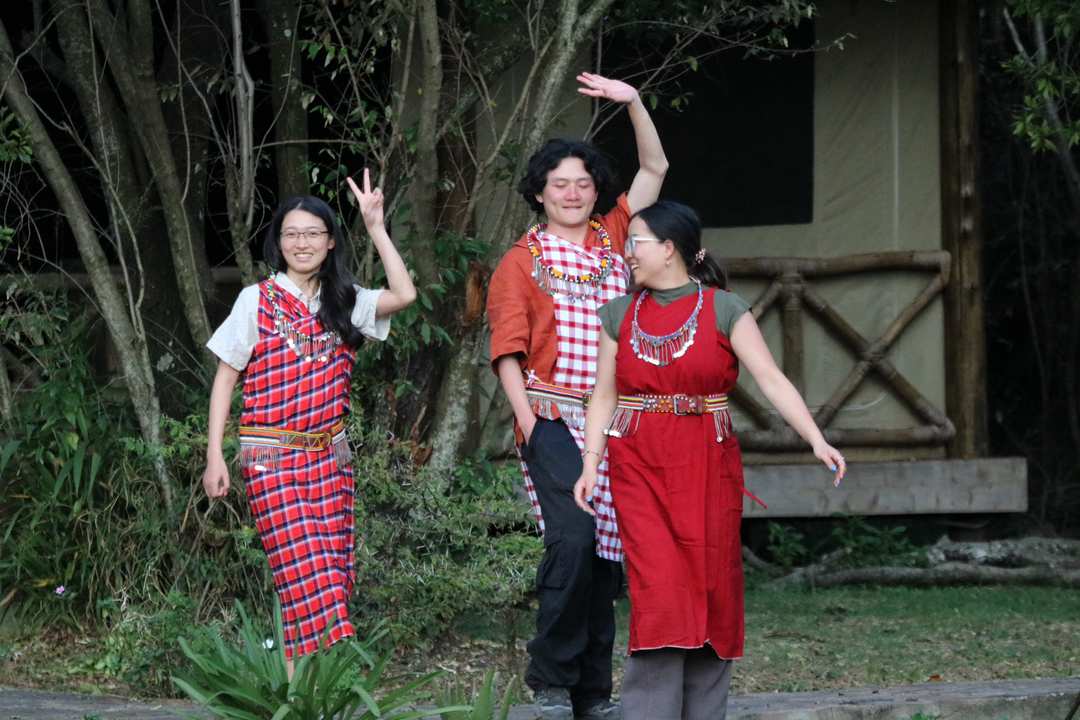
The Maasai are one of Africa's most recognizable and fascinating ethnic groups. With their distinctive red shukas (robes), elaborate jewelry, and semi-nomadic pastoralist lifestyle, the Maasai have maintained their cultural identity despite modernization.
Who Are the Maasai?
The Maasai are a Nilotic ethnic group inhabiting northern Tanzania and southern Kenya. They speak Maa, a language in the Nilo-Saharan family, and number approximately 1-2 million people.
Geographic Distribution:
- Northern Tanzania: Arusha, Manyara, Kilimanjaro regions
- Southern Kenya: Kajiado, Narok counties
- Traditionally occupy lands around Serengeti, Ngorongoro, Maasai Mara
Traditional Maasai Way of Life
1. Pastoralism: Cattle as Currency
The Maasai economy traditionally revolves around cattle, goats, and sheep.
- Cattle = Wealth: A man's wealth and status are measured by cattle owned
- Cattle = Currency: Used for dowry payments (bride price)
- Cattle = Sustenance: Provide milk, blood, and meat (though cattle are rarely slaughtered)
- Sacred Animals: Cattle are deeply respected, each with a name and known by owner
Traditional Maasai Diet:
- Milk (fresh or fermented)
- Blood (mixed with milk, drunk on special occasions)
- Meat (mainly during ceremonies)
- Ugali (maize porridge) - modern addition
- Increasingly incorporating vegetables, fruits, other foods
2. Semi-Nomadic Lifestyle
Traditionally, the Maasai move seasonally in search of water and grazing land for their cattle.
- Boma (Homestead): Temporary settlements made of branches and cow dung
- Seasonal Movement: Follow rains and pasture
- Modern Changes: Increasing sedentarization due to land restrictions, conservation areas
Maasai Social Structure
Age-Set System
Maasai society is organized by age-sets that pass through life stages together:
- Childhood (0-15 years): Boys herd calves, girls help mothers
- Warrior/Moran (15-30 years): Young men protect community, care for cattle
- Junior Elders (30-45 years): Start families, participate in decision-making
- Senior Elders (45+ years): Community leaders, advisors, spiritual authorities
Gender Roles
Men's Responsibilities:
- Protecting the community and cattle
- Herding cattle long distances
- Decision-making in village councils
- Building enkang (thorn-branch fence around boma)
Women's Responsibilities:
- Building and maintaining houses
- Milking cows and goats
- Collecting water and firewood
- Cooking and childcare
- Making jewelry and crafts
Maasai Ceremonies and Rituals
1. Eunoto (Warrior Graduation Ceremony)
When warriors (morans) transition to junior elders—one of the most important ceremonies.
2. Female and Male Circumcision
Both traditionally practiced as rites of passage (female circumcision increasingly abandoned due to health concerns and legal prohibitions).
3. Marriage Ceremonies
Involve elaborate negotiations, bride price paid in cattle, multi-day celebrations.
4. Naming Ceremonies
Newborns are named in special rituals, often after grandparents or significant events.
Maasai Dress and Adornment
Shuka (Cloth Wraps)
- Distinctive red color (though other colors increasingly used)
- Red symbolizes bravery, strength, unity
- Also use blue, black, checkered patterns
Jewelry and Ornaments
- Beadwork: Intricate beaded collars, necklaces, bracelets, earrings
- Colors Have Meaning:
- Red = bravery, unity, blood
- Blue = sky, energy
- Green = land, health
- Orange = hospitality, warmth
- Yellow = sun, fertility
- White = purity, peace
- Ear Stretching: Traditionally both men and women stretch earlobes
Hairstyles
- Warriors: Elaborate braided hairstyles, often dyed with red ochre
- Elders: Short or shaved hair
- Women: Shaved heads (symbol of marriage)
Maasai and Wildlife Conservation
The Maasai have a complex relationship with wildlife and conservation:
Historical Coexistence
- Traditionally lived alongside wildlife for centuries
- Did not hunt wildlife (except lions in warrior rites)
- Pastoralism compatible with wildlife in many ways
Modern Challenges
- Lost ancestral lands to national parks (Serengeti, Ngorongoro)
- Human-wildlife conflict (lions attacking cattle)
- Restricted access to water and grazing areas
- Balance between conservation and livelihoods
Community-Based Conservation
- Wildlife Management Areas (WMAs) giving communities more control
- Ecotourism providing alternative income
- Conservation warriors protecting wildlife
- Revenue-sharing from tourism
Maasai Traditional Knowledge
Medicinal Plants
Extensive knowledge of traditional medicine from plants, barks, roots used to treat various ailments.
Astronomy and Navigation
Deep understanding of stars, weather patterns, seasons for predicting rains and planning movements.
Oral Traditions
Rich oral literature including songs, proverbs, stories, and historical accounts passed down generations.
Modern Maasai Life
While maintaining cultural identity, the Maasai are increasingly integrating with modern Tanzanian society:
Education
- Growing school attendance (historically low)
- Boarding schools for pastoralist children
- Maasai professionals: teachers, doctors, politicians
- Tension between traditional lifestyle and formal education
Economic Diversification
- Tourism (cultural bomas, guided walks)
- Small businesses and shops
- Agriculture (increasingly practiced)
- Urban migration for employment
Technology Adoption
- Mobile phones (even in remote areas)
- Mobile money (M-Pesa) revolutionizing transactions
- Solar panels for charging and lighting
- Social media use growing among young Maasai
Visiting a Maasai Village: Respectful Tourism
What to Expect:
- Welcome song and dance
- Tour of boma (homestead)
- Demonstration of fire-making, beadwork
- Opportunity to jump with warriors
- Chance to purchase authentic beadwork
Cultural Etiquette:
- ✅ Ask permission before photographing
- ✅ Dress modestly (cover shoulders, knees)
- ✅ Remove shoes when entering homes
- ✅ Accept offerings of hospitality graciously
- ✅ Purchase crafts directly if you can afford
- ✅ Respect that this is real life, not a "show"
- ❌ Don't give money or gifts directly to children
- ❌ Don't touch people or objects without permission
- ❌ Don't make promises you won't keep
Responsible Tourism:
- Choose community-run cultural tourism programs
- Ensure fees benefit the community directly
- Learn about real challenges (don't romanticize)
- Support education and health initiatives
- Respect cultural boundaries and sensitivities
Common Maasai Words and Phrases
- Sopa: Hello (to one person)
- Serian: How are you?
- Takwenya: I am fine
- Ashe oleng: Thank you
- Moran: Warrior
- Boma: Homestead/village
- Shuka: Traditional cloth wrap
- Enkang: Thorn fence around boma
The Future of Maasai Culture
The Maasai face challenges in maintaining traditional lifestyle while adapting to modern Tanzania:
- Land Pressure: Shrinking grazing areas due to conservation, agriculture, urbanization
- Climate Change: Unpredictable rains threatening pastoralism
- Cultural Preservation: Balancing tradition with modernity
- Economic Opportunities: Finding sustainable livelihoods beyond cattle
- Political Representation: Advocating for pastoral rights
Despite challenges, the Maasai remain one of Tanzania's most vibrant cultures, proud of their heritage and adapting to ensure its survival.
Experience Maasai Culture with Kilimark Adventures
Our cultural tours offer authentic, respectful interactions with Maasai communities:
- ✅ Visit community-run cultural bomas (portion of fees to community)
- ✅ Learn about traditional lifestyle from Maasai guides
- ✅ Support local artisans by purchasing authentic beadwork
- ✅ Combine with safaris to understand human-wildlife coexistence
- ✅ Respectful, educational experiences (not exploitative tourism)
Interested in a meaningful cultural experience? Contact Kilimark Adventures to add a Maasai village visit to your Tanzania adventure. Learn, respect, and support!