
Lemosho Route Complete Guide 2026
Lemosho Route Complete Guide 2026
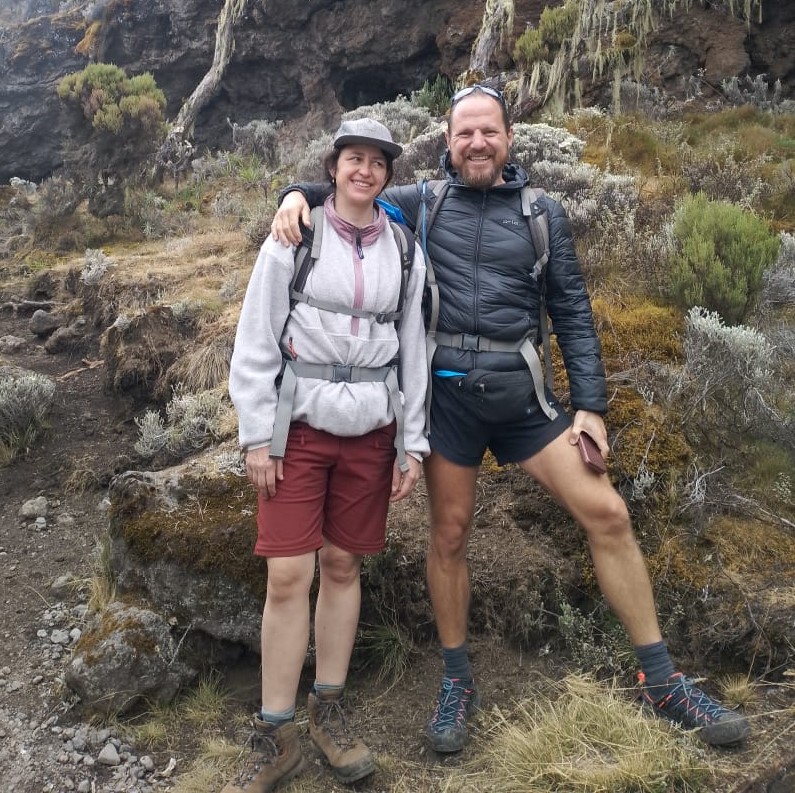
The Lemosho Route is widely regarded as the most beautiful route on Mount Kilimanjaro. Known for its spectacular scenery, excellent acclimatization profile, and high summit success rates, the Lemosho Route is one of the best options for climbers seeking a successful and unforgettable Kilimanjaro experience.
Beginning on the western side of the mountain, the route traverses remote wilderness areas before joining the Machame Route near Shira Plateau. The longer itinerary allows climbers to acclimatize gradually, making it one of the most successful routes for reaching Uhuru Peak.
Quick Facts About the Lemosho Route
- Route Name: Lemosho Route
- Duration: 7 or 8 Days
- Distance: Approximately 70 Kilometers
- Difficulty Level: Moderate to Challenging
- Accommodation: Camping
- Summit Point: Uhuru Peak (5,895 meters)
- Recommended Option: 8-Day Lemosho Route
- Summit Success Rate: Up to 95%+
- Starting Point: Londorossi Gate
- Descent Route: Mweka Route
Why Choose the Lemosho Route?
1. Exceptional Scenery
Many climbers consider Lemosho the most scenic route on Kilimanjaro. The route passes through:
- Rainforest
- Heath and Moorland
- Shira Plateau
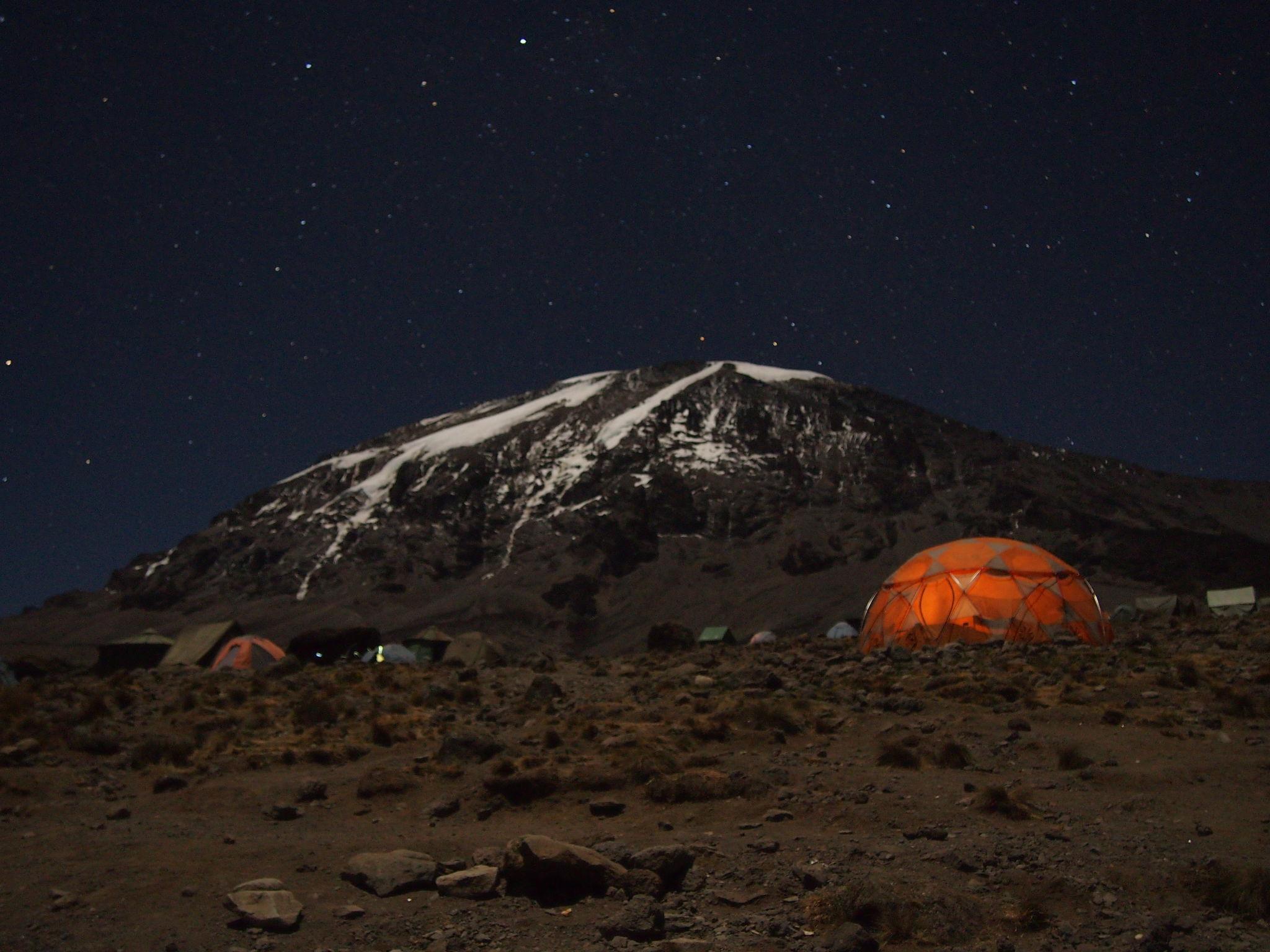
- Alpine Desert
- Arctic Summit Zone
The diverse landscapes provide incredible photography opportunities and breathtaking views throughout the trek.
2. Highest Summit Success Rates
Because the route is longer, climbers have more time to acclimatize to the altitude.
The 8-day itinerary follows the "climb high, sleep low" principle, significantly reducing the risk of altitude sickness and increasing summit success rates.
3. Fewer Crowds at the Beginning
Unlike Machame and Marangu routes, Lemosho starts on the remote western side of Kilimanjaro. During the first few days, trekkers enjoy quieter trails and a more wilderness-focused experience.
4. Excellent Acclimatization Profile
The gradual ascent allows climbers to adapt naturally to changing elevations. This makes Lemosho one of the safest routes for first-time high-altitude trekkers.
Detailed 8-Day Lemosho Route Itinerary
Day 1: Londorossi Gate to Mti Mkubwa Camp
- Elevation: 2,100m to 2,650m
- Hiking Time: 3–4 Hours
The trek begins through lush rainforest where climbers may encounter monkeys and various bird species.
Day 2: Mti Mkubwa Camp to Shira 1 Camp
- Elevation: 2,650m to 3,500m
- Hiking Time: 5–6 Hours
The forest gradually opens into moorland with spectacular views of the Shira Ridge.
Day 3: Shira 1 Camp to Shira 2 Camp
- Elevation: 3,500m to 3,850m
- Hiking Time: 3–5 Hours
A relatively easy day designed to aid acclimatization while crossing the famous Shira Plateau.
Day 4: Shira 2 Camp to Lava Tower to Barranco Camp
- Elevation: 3,850m to 4,630m then down to 3,960m
- Hiking Time: 6–8 Hours
This important acclimatization day helps prepare climbers for higher elevations.
Day 5: Barranco Camp to Karanga Camp
- Elevation: 3,960m to 3,995m
- Hiking Time: 4–5 Hours
Climbers conquer the famous Barranco Wall and enjoy panoramic views of the southern glaciers.
Day 6: Karanga Camp to Barafu Camp
- Elevation: 3,995m to 4,673m
- Hiking Time: 3–5 Hours
The team prepares for the summit attempt.
Day 7: Barafu Camp to Uhuru Peak to Mweka Camp
- Elevation: 4,673m to 5,895m then down to 3,100m
- Hiking Time: 10–14 Hours
Summit day is challenging but incredibly rewarding as climbers reach the highest point in Africa.
Day 8: Mweka Camp to Mweka Gate
- Elevation: 3,100m to 1,640m
- Hiking Time: 3–4 Hours
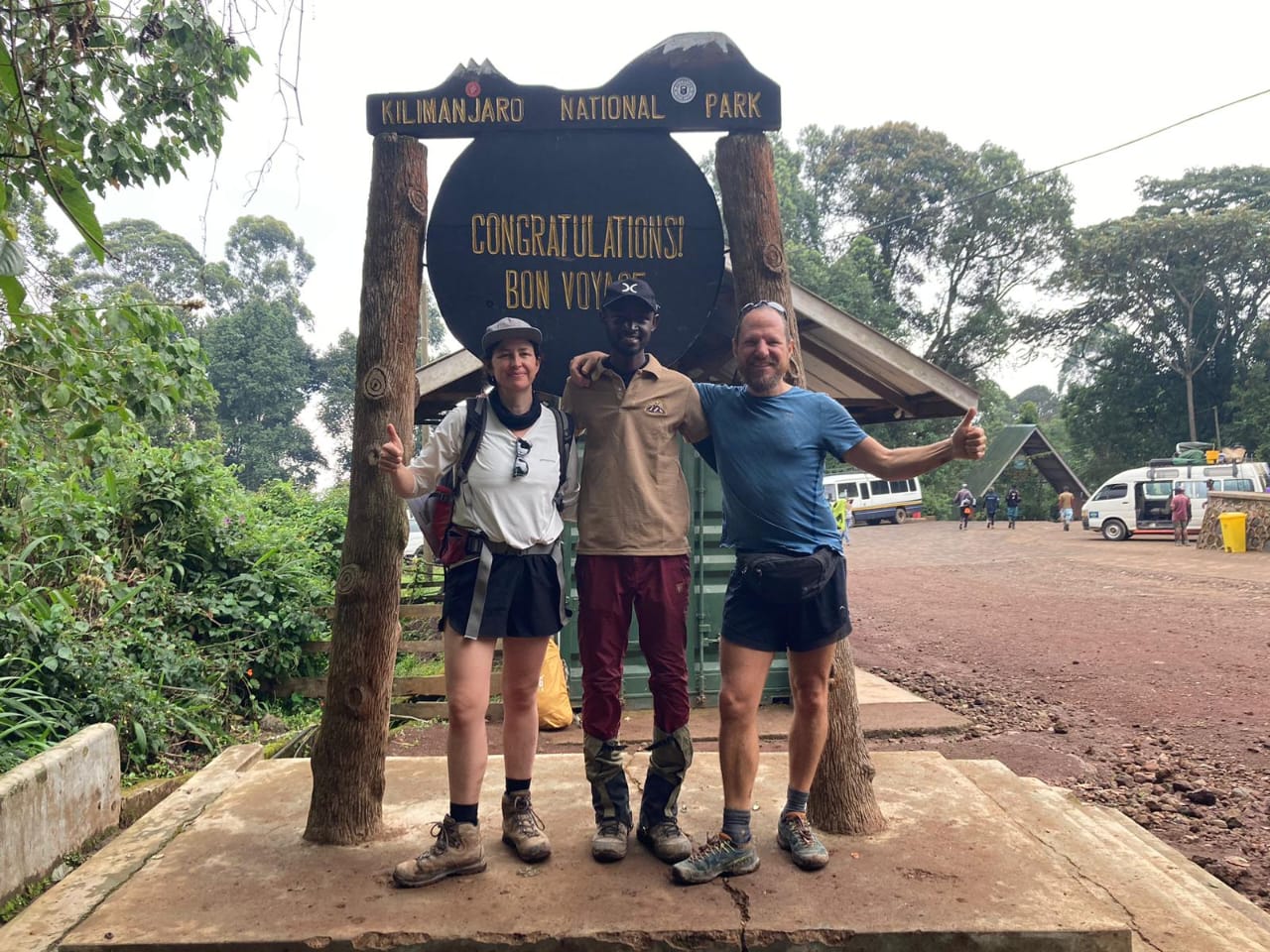
Celebrate your achievement and receive your summit certificate.
How Difficult Is the Lemosho Route?
The Lemosho Route is considered moderately challenging.
The longer duration makes the trek physically demanding, but the excellent acclimatization schedule makes it easier to handle altitude compared to shorter routes.
No technical climbing skills are required.
Best Time to Climb the Lemosho Route
January to March
Benefits include:
- Fewer climbers
- Clear mountain views
- Pleasant trekking conditions
June to October
Benefits include:
- Dry weather
- Excellent visibility
- Stable trail conditions
These are generally considered the best months for climbing Kilimanjaro.
Lemosho Route vs Other Kilimanjaro Routes
Lemosho vs Machame
Lemosho Advantages:
- Better acclimatization
- Higher summit success rates
- Less crowded start
- More scenic approach
Machame Advantages:
- Lower cost
- Shorter itinerary
- Equally spectacular summit experience
Lemosho vs Marangu
Lemosho Advantages:
- Better acclimatization
- Higher success rates
- More diverse scenery
- More wilderness experience
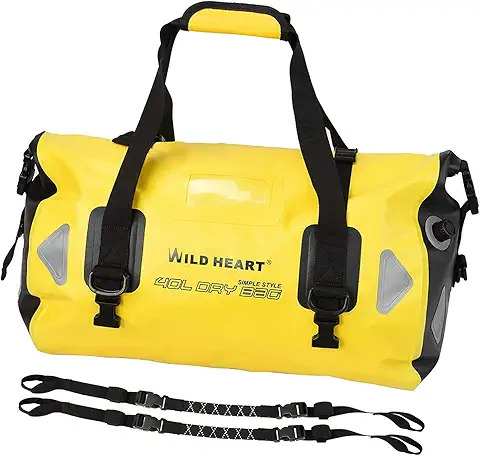
Essential Packing List
Every climber should bring:
- Waterproof hiking boots
- Warm down jacket
- Thermal clothing
- Sleeping bag
- Trekking poles
- Headlamp
- Warm gloves
- Sunglasses
- Reusable water bottles
- Personal medications
Why Climb the Lemosho Route with Kilimark Adventures?
Kilimark Adventures provides:
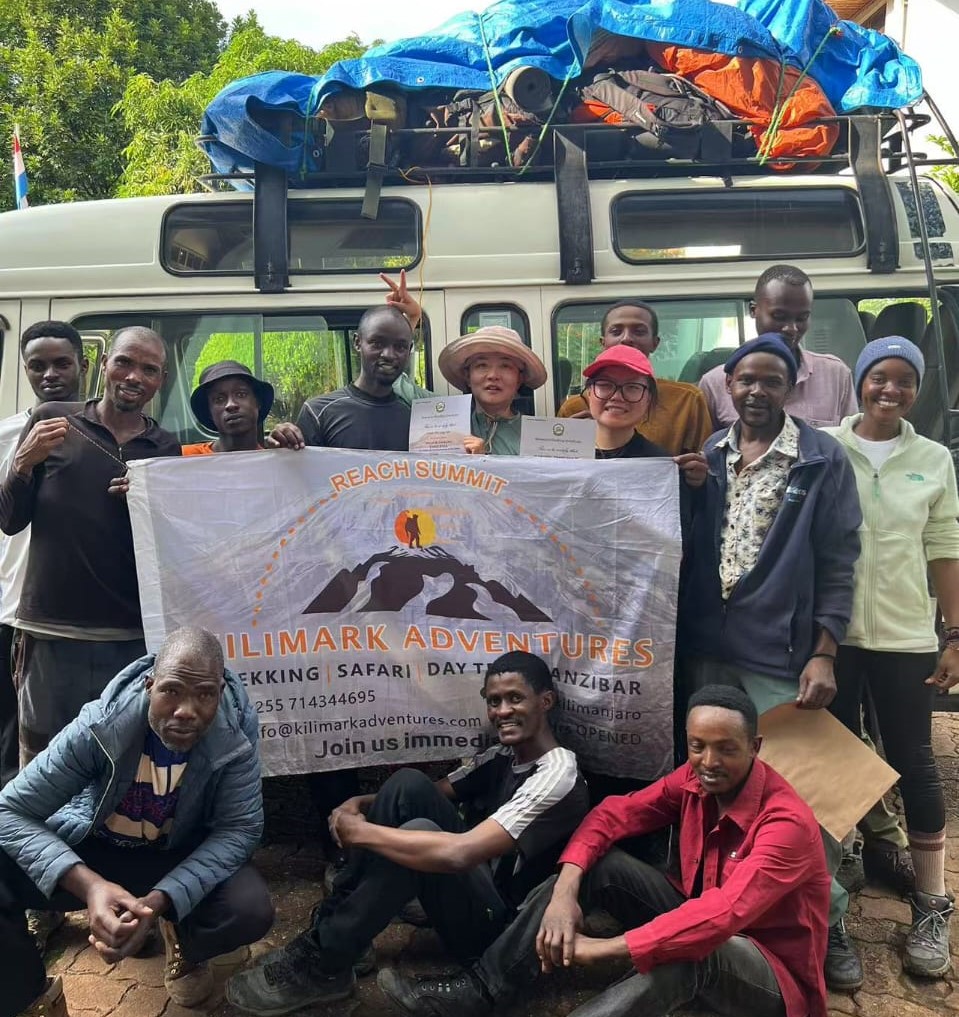
- Professional mountain guides
- Experienced porters and cooks
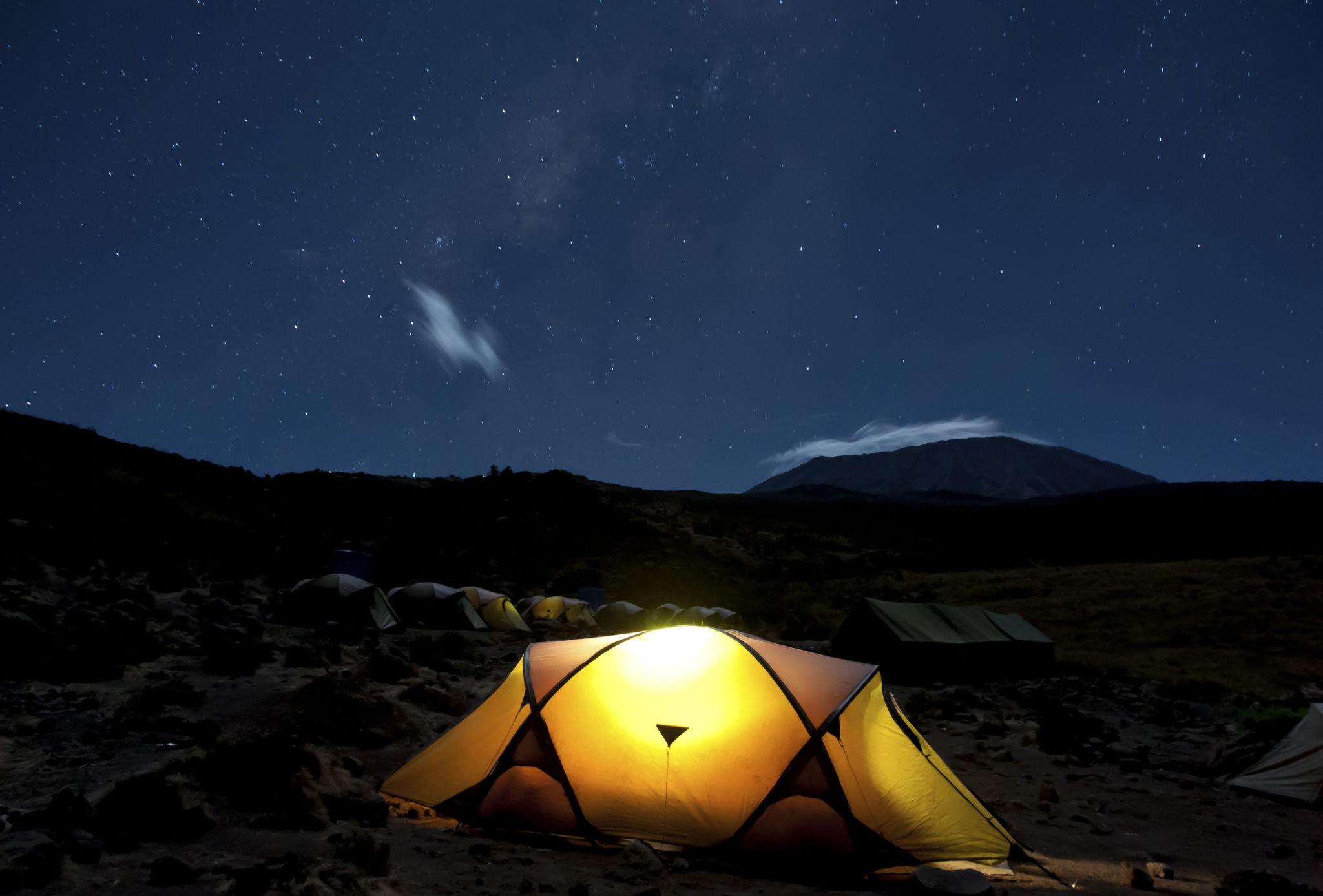
- Quality camping equipment
- Nutritious meals on the mountain
- Daily health monitoring
- Personalized customer service
Our experienced team is committed to helping climbers safely and successfully reach Uhuru Peak.
Final Thoughts
The Lemosho Route is one of the best routes on Mount Kilimanjaro for climbers seeking outstanding scenery, excellent acclimatization, and the highest possible summit success rates. Although it requires more days on the mountain, the additional time greatly improves comfort and increases the likelihood of reaching Africa's highest peak.
For climbers looking for the ultimate Kilimanjaro experience in 2026, the 8-Day Lemosho Route with Kilimark Adventures is an excellent choice.